The Truth About Growth In Sammamish. Read or Watch the Plan

Growth That Works For Sammamish.
Sammamish is part of the region’s designated Urban Growth Area - and that means we have a role to play in planning for growth. Lin believes the question isn’t whether we grow, but how we do it. With thoughtful planning, honest leadership, and real investment, we can protect what makes Sammamish special while building a more affordable, connected, and sustainable future - all while complying with state law and ensuring that growth works for our community.
Why We
Have To Grow.
Sammamish isn't growing because we feel like it - we're growing because we're part of a region that's growing.
As part of King County's designated Urban Growth Area, our city is required to do its share to accommodate the demand for housing and jobs. Under Washington's Growth Management Act and House Bill 1220, every city must help meet the region's housing needs - including building more affordable homes.
For Sammamish, that means planning for 2,100 affordable units by 2044. That's lower than many of our peer cities across the Eastside.
See How Sammamish Compares to Other Eastside Cities!


Data source: King County Affordable Housing Committee, Comprehensive Plan Review Packet, Ordinance 19660 (2021). View document
Curious how these requirements break down by income level? View the full housing allocation chart by AMI (PDF).

Who Set the Requirements?
Sammamish's growth targets are approved by the King County Affordable Housing Committee, a regional body of elected officials and housing experts. Every city within the Urban Growth Area is assigned a housing target to ensure we grow in a way that is fair, sustainable, and regionally coordinated.

What Are The Requirements Based On?
These targets are based on a combination of projections and planning models, including the Puget Sound Regional Council's VISION 2050 Growth Strategy, population forecasts from the Office of Financial Management, and available land capacity data. Sammamish's allocation reflects our smaller size, limited land availability, and role in balancing jobs and housing in the region.
Lin believes we're better off planning for growth ourselves and not delaying until someone else decides for us.
Debunking
The Myths.
Growth can be a touchy subject - and it’s easy to feel overwhelmed by conflicting information. But when you take a step back, many of the most common concerns are rooted in myths or misunderstandings. Below, we break down what’s true, what’s not, and what it really means for Sammamish.
Why Smart
Growth Matters.
Lin grew up in Sammamish and knows firsthand the beauty and sense of community that make this city special. He wants his kids - and future generations - to be able to enjoy the same Sammamish he was lucky to grow up in. But he also understands that we face regional realities that can't be ignored. If we want to preserve what we love about Sammamish, we need to plan for the future now - not wait until the choices are made for us.
Smart growth isn't about building as much as possible - it's about protecting Sammamish's character while addressing the challenges we face today. Lin believes we can grow in a way that keeps housing affordable, provides the local services Sammamish has long been missing, balances the city budget, and ensures infrastructure keeps up.

Designing For Affordability, Not Just Density
Mixed-use and middle-housing developments give Sammamish the ability to incentivize more affordable housing. In the Town Center plan, for example, the city can offer developments a 15' building height bonus (from 70' to 85') in exchange for a larger share of affordable units. Adding an extra floor is far less costly than building a whole new building, so these incentives allow developers to include more affordable homes without sacrificing quality.

Balancing Sammamish's Budget Fairly
Homeowners currently pay 63% of Sammamish’s budget, more than three times the share in nearby cities. At the same time, residents spend millions each year in Redmond, Issaquah, and Bellevue. Smart growth allows us to capture more of that spending locally, strengthening our budget so we can reduce the tax burden on property owners and invest in the services that make Sammamish a great place to live.
Preserving Open Space And The Environment
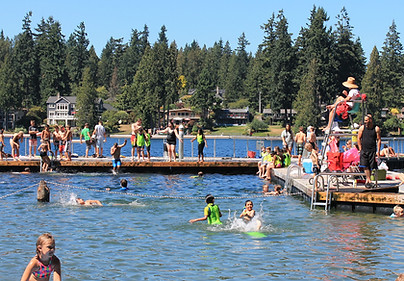
Over 62% of Sammamish's land area is already single-family homes, which take up far more land per unit than mixed-use or middle-housing developments. If we only keep growing this way, we risk more losing open space and tree canopy. Focusing growth in designated centers lets us reduce sprawl and preserve the parks, wetlands, and natural areas that make Sammamish special.
Making Walkable Local Services A Reality
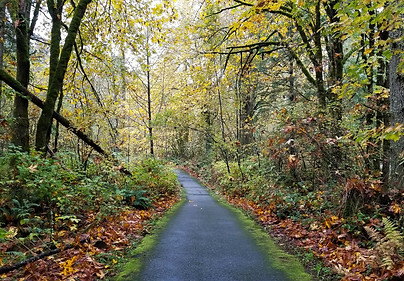
Denser housing developments help Sammamish support the walkable business areas residents have long wanted. For example, the updated Town Center plan would add 48% more commercial space (415,000 sq. ft), nearly double the 2008 plan, as our population has grown by 50% since then. Smart growth means more restaurants, shops, and services close to home - reducing trips off the plateau and keeping tax dollars in Sammamish.

Using Growth To Improve Transportation
Smart growth funds critical road upgrades and provides the density needed to support better transit. The Town Center development alone is projected to generate $36 million in impact fees for transportation improvements - and it would also bring a dedicated transit center. That hub would deliver more frequent bus service across the plateau and into neighboring cities, reducing cars on the road and easing traffic for those who must drive.
Creating Spaces For Community
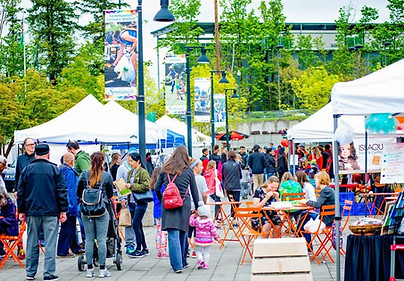
Sammamish has very few places where neighbors can naturally connect outside of home, work, or school. Mixed-use developments give us welcoming spaces - plazas, cafes, restaurants, and parks - where people can gather and build relationships. These walkable areas create a stronger sense of community and make Sammamish feel like a place where everyone belongs - because Together, Sammamish Thrives.
What's
At Stake.
Lin believes we need to be proactive about addressing growth - not reactive. Growth is coming to Sammamish whether we like it or not, and the choice we face is simple: do we plan for it thoughtfully, or do we let it happen to us?
By planning ahead, we can protect what makes Sammamish special, keep housing attainable for the people who make our city work, and make smart investments in local services, roads, and transit. Trying to stop growth only leaves us less prepared and further behind. Lin is focused on making the best of the realities we face today by planning for a stronger Sammamish tomorrow.
Read Lin's Promise to Tackle Growth the Right Way!
Progress is slow, and the stakes are high. Here’s the reality we face.

Our Progress
What We Risk by Falling Behind
We've only just begun.
Falling behind has real consequences.
-
Loss of Local Control: If we don't meet housing targets, the state or county could override our local planning.
-
Missed funding: We risk being sanctioned by the state, and losing access to critical tax revenues and infrastructure dollars.
-
Worsening Challenges: Delaying growth doesn't stop required growth - it only drives up construction costs, encourages sprawl, and worsens traffic congestion.
-
As of 2022, Sammamish has built just 102 affordable units towards the 2,100 required by 2044.
-
To close the gap, we must prioritize projects in the Town Center and other designated growth areas where the city has the best opportunity to achieve the greatest number of affordable units while adding the least amount of total units.